Free shipping on orders over $50 · 100% genuine professional stock · 714-225-8760

Shop by concern
Products for color-treated hair
Color fades from the inside out. Every wash lifts a little pigment through a cuticle that coloring already opened, and blondes pick up brassy warmth on the way. Protecting the investment is mostly about washing gently, sealing the cuticle and toning on schedule.
Why color fades
An open cuticle
Coloring lifts the cuticle to place pigment inside. Until it closes again, every wash rinses a little of that pigment straight back out.
Brassy warmth
Lightened hair exposes underlying warm pigment. Blonde and silver toning formulas neutralize it rather than covering it over.
Heat and hot water
Hot water swells the cuticle open again. Rinsing cool is the single cheapest thing you can do to make a color last longer.
Which do you actually need?
If color looks dull
Fading and flatness are a pigment problem rather than a damage problem. A gentle, color-safe shampoo and a cool rinse slow the loss. A toning product only helps if the tone has shifted, not if the color has simply faded.
If blonde or silver looks brassy
Warmth showing through is a tone problem. A blonde or silver toning shampoo deposits cool pigment to cancel it. Start with a short contact time — you can always leave it on longer next wash.
If hair feels rough or stretchy
That is condition, not color. Rough, squeaky hair usually wants moisture; hair that stretches and does not spring back usually wants protein. Our keratin vs protein guide explains which is which.
A simple three-step routine
01
Wash gently, rinse cool
Wait 48 hours after coloring, then use a sulfate-conscious shampoo and finish with a cool rinse to close the cuticle.
02
Tone on schedule
For blonde or silver, a toning shampoo roughly every third wash. Leaving it on longer deposits more, so start short and build up.
03
Repair between colors
A repairing mask every third wash keeps the strand strong enough to hold pigment. Weak hair loses color faster than healthy hair.
What we would start you on
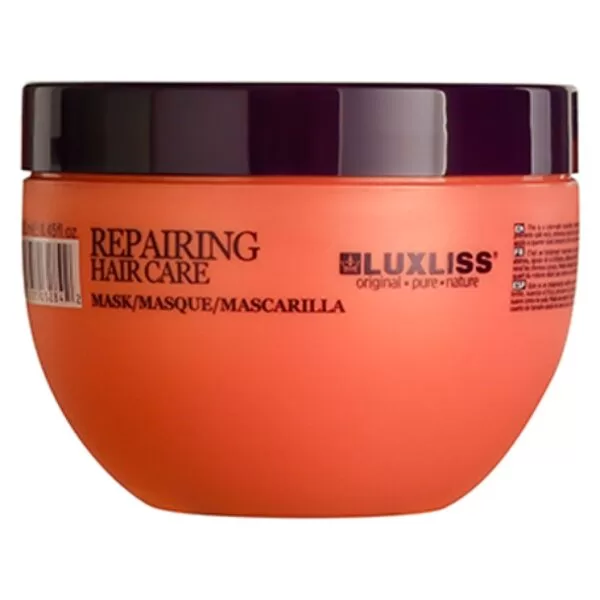
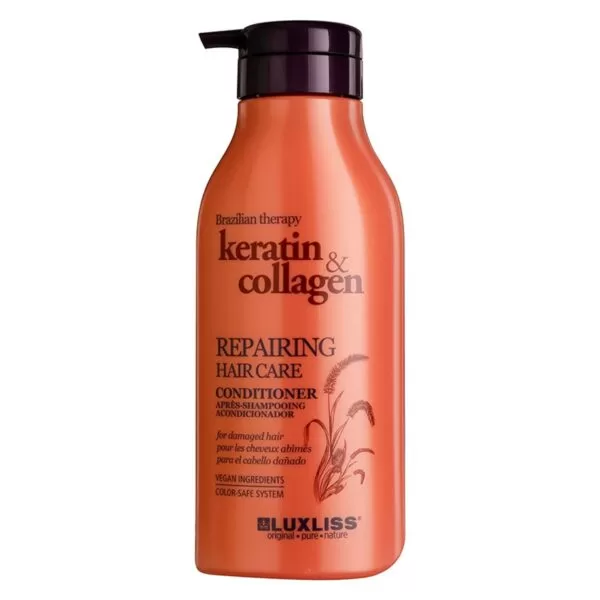
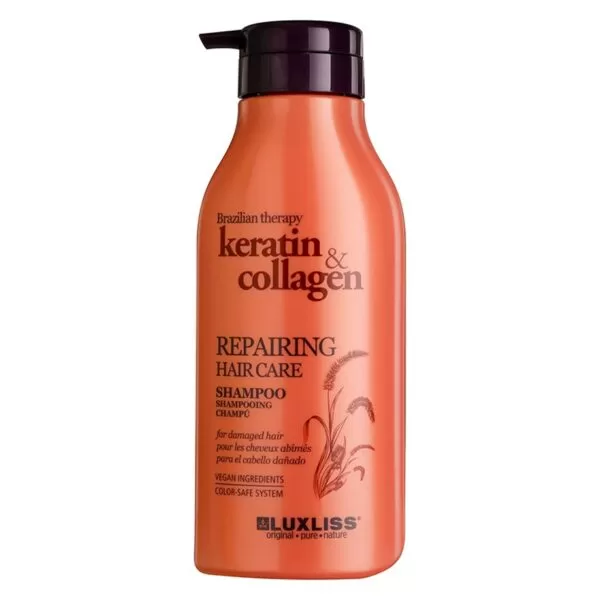
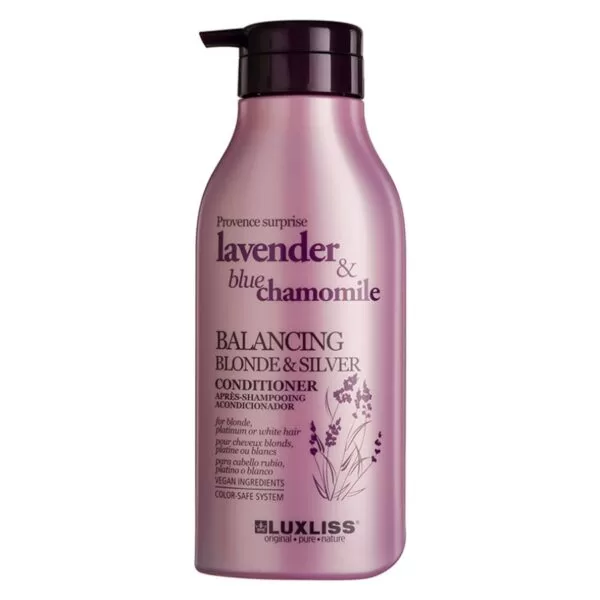
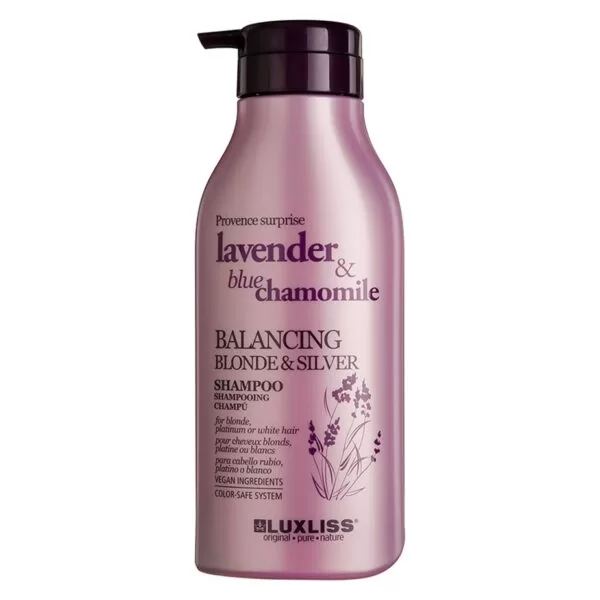
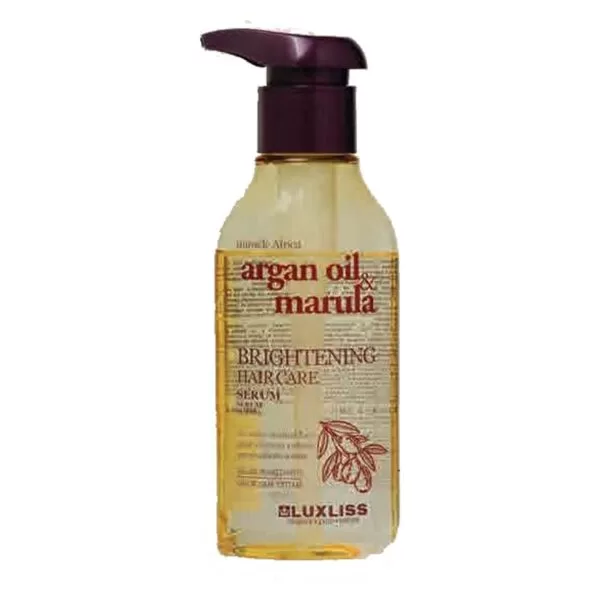
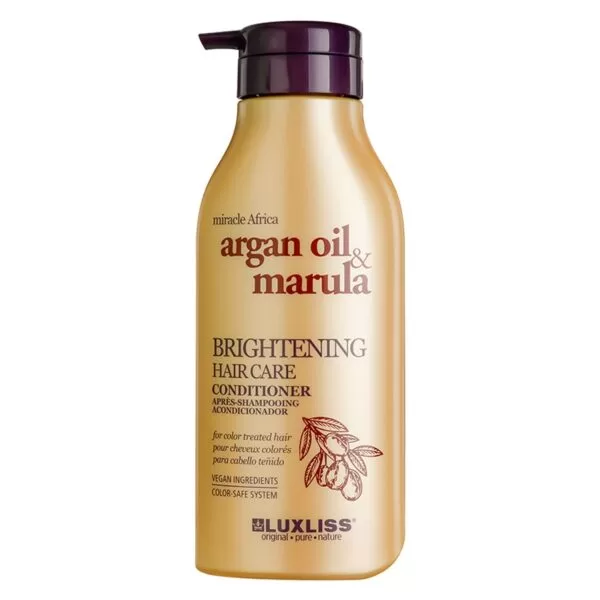
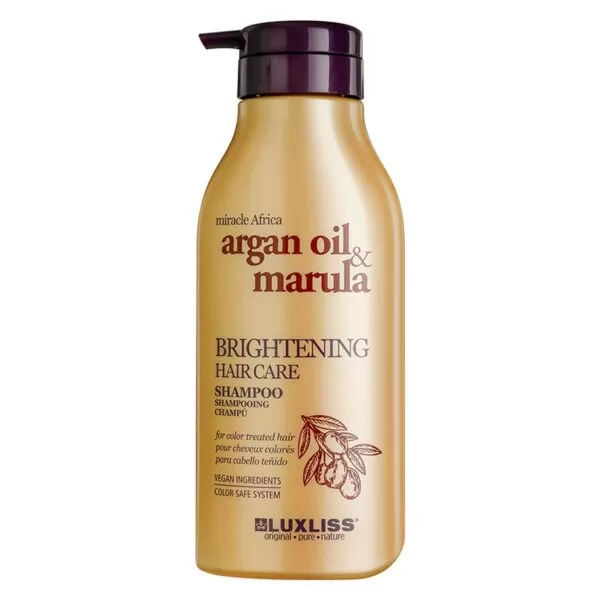
Every product here is 100% genuine professional stock. If it is not right for your hair, send it back any time for a full refund — we cover the return shipping.
Questions we get about colored hair
More on this: the best shampoo for color-treated hair, how to fix over-processed hair, and how often to wash your hair.