Free shipping on orders over $50 · 100% genuine professional stock · 714-225-8760

Shop by concern
Products for damaged and over-processed hair
Bleach, permanent color and heat all leave microscopic gaps inside the strand. Hair that is genuinely damaged stretches and stays stretched when wet, snaps when combed, and stops holding a style. The fix is not more product — it is the right three products in the right order.
What is actually happening
Chemical processing
Bleach and permanent color lift the cuticle to deposit pigment. Every pass leaves the strand more porous and less able to hold moisture.
Heat styling
Irons and dryers above 180°C soften keratin and drive out internal water. Repeated exposure makes hair brittle well before it looks damaged.
Mechanical stress
Brushing wet hair, tight ties and rough towel-drying snap already-weakened strands. Most breakage happens in the bathroom, not the salon.
A simple three-step routine
01
Cleanse gently
Use a sulfate-conscious repair shampoo and lather once, not twice. Damaged hair does not need stripping, it needs rebuilding.
02
Rebuild with protein
A repair mask every third wash, left on for the full time on the label. More often than that risks protein overload, which looks identical to damage.
03
Seal and protect
Finish with a leave-in or argan oil to close the cuticle, add slip and give the strand some heat protection before styling.
What we would start you on
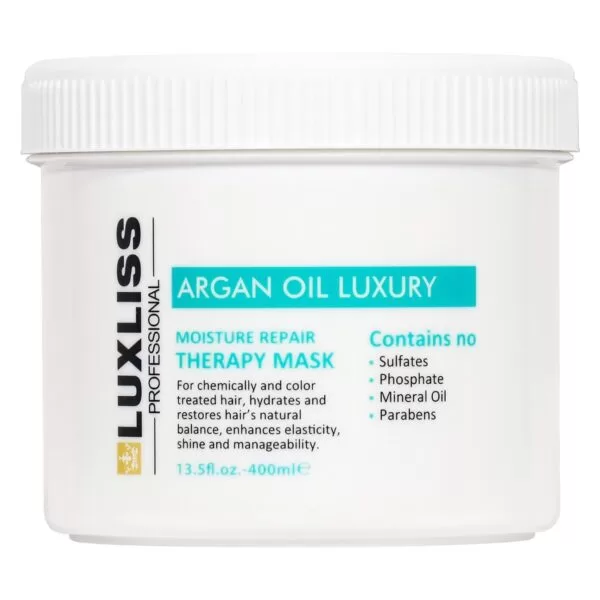
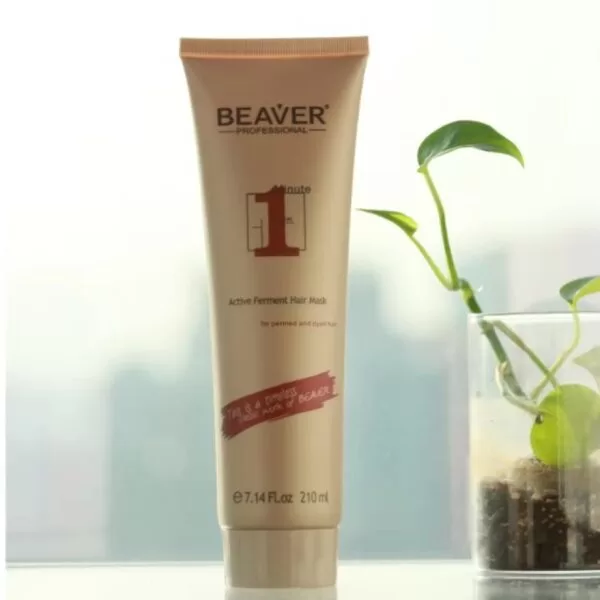
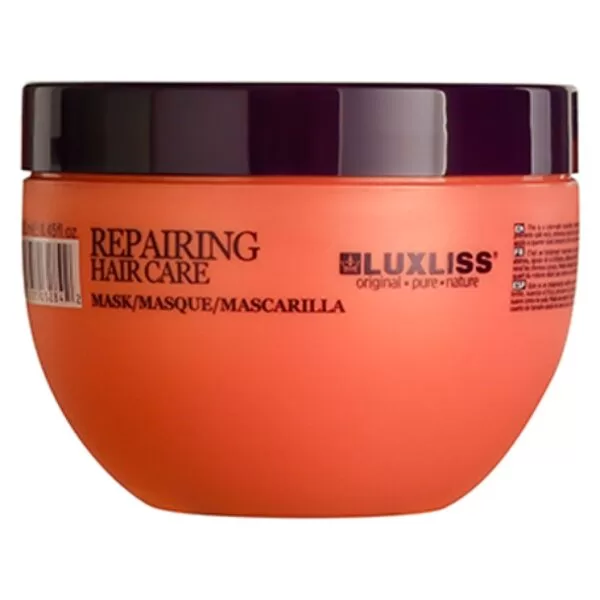
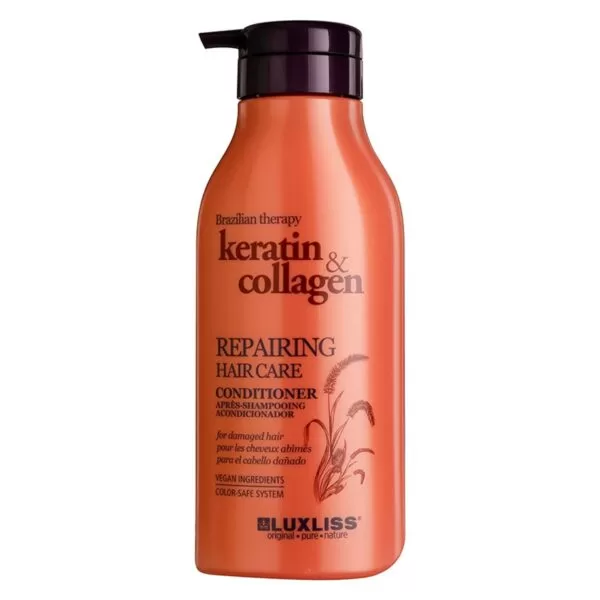
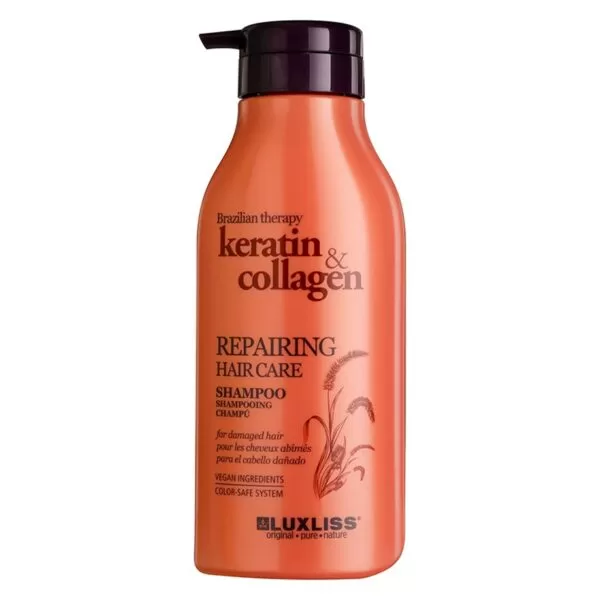
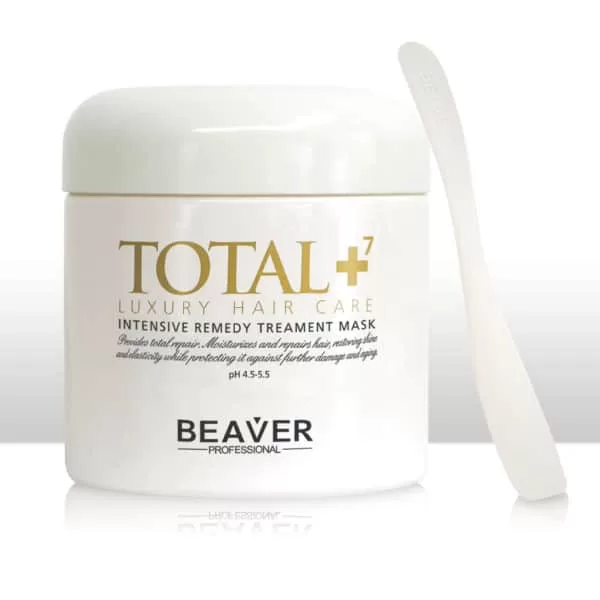
Every product here is 100% genuine professional stock. If it is not right for your hair, send it back any time for a full refund — we cover the return shipping.
Questions we get about damaged hair
More on this: how to fix over-processed hair, keratin vs protein treatments, and shampoo for color-treated hair.