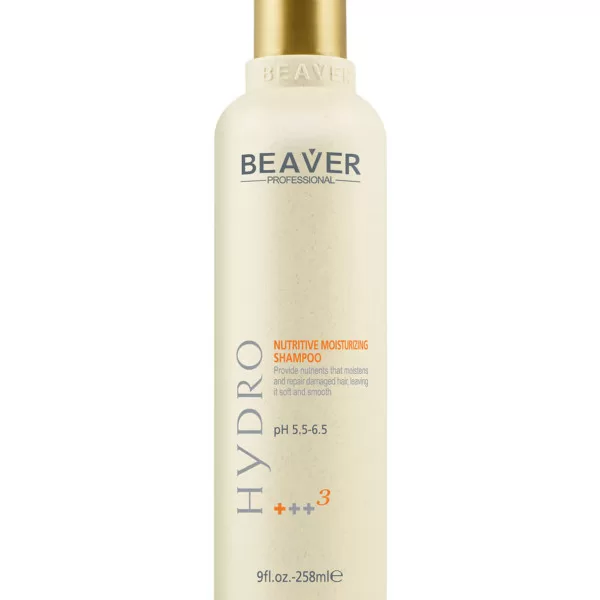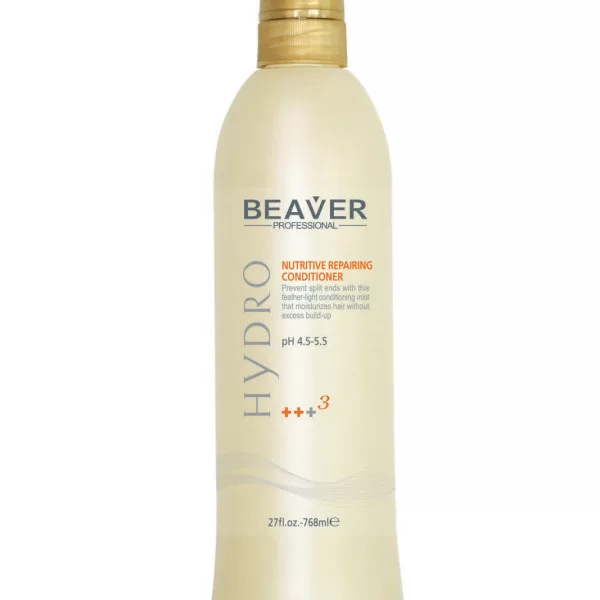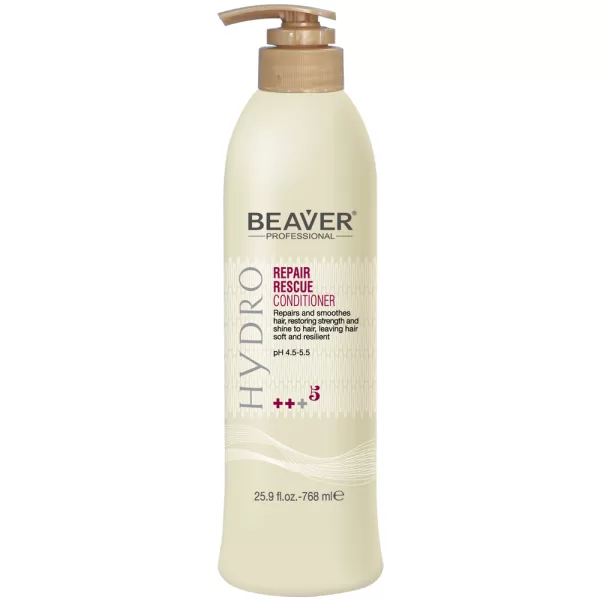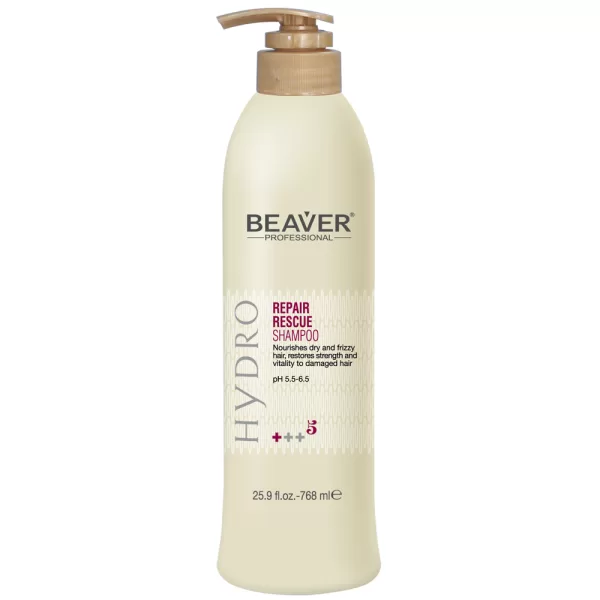
Color fades for three reasons: it washes out, it oxidizes, or it was never fully sealed in to begin with. A shampoo can only help with the first of those — but since most people wash their hair several hundred times between salon visits, it is the one that does the most damage over a year.
The short answer
The single biggest factor is not which color-safe shampoo you buy — it is how hot the water is and how often you wash. After that, look for a gentler cleansing base and, if you are blonde, silver or gray, a toning shampoo rather than a general color-safe one. Those are two different products solving two different problems.
What actually strips color
- Hot water. Heat swells the cuticle and lets dye molecules escape. This is the cheapest fix on the list and the one most people skip.
- Harsh detergents. Strong cleansing agents are efficient at removing oil, and they are not selective — they take pigment with it.
- Washing too often. Every wash costs you a little color. Going from daily to every other day roughly halves that loss.
- UV and heat styling. Both oxidize the dye. This is what turns brunette brassy and red orange.
- The first 72 hours. Color is still settling into the cortex. Washing on day one undoes work you paid for.
What to look for in a color-safe shampoo
“Color-safe” is not a regulated term, so read past it. In practice you want a milder cleansing system, something that helps the cuticle lie flat — oils and silicones both do this — and, ideally, some UV protection. Formulas built around argan or marula oil tend to do the sealing job well without weighing hair down.
One honest caveat: a shampoo that cleans very gently will eventually let product and hard-water minerals build up, which dulls color in its own way. A clarifying wash every few weeks is not cheating — it is maintenance.
Blonde, silver and gray are a different problem
Lightened hair does not usually go dull — it goes brassy. As the cool tones fade, the warm pigment underneath shows through as yellow or orange. No amount of gentle cleansing fixes that, because it is not a fading problem, it is a tone problem.
The fix is a toning shampoo that deposits a small amount of violet or blue pigment to cancel the yellow. Use it once or twice a week, not every wash — toning shampoos are cumulative, and daily use on very pale hair can leave a gray or lilac cast.
How often should you wash color-treated hair?
Two to three times a week suits most people. If your scalp objects to that, wash the scalp rather than the lengths — the roots are what actually get oily, and dragging shampoo through the ends is what costs you color. A dry shampoo on the in-between days is a reasonable bridge.
Where to start
For blonde, platinum, silver or gray hair, the Balancing Blonde & Silver shampoo and conditioner are built to neutralize yellow tones using lavender and blue chamomile.
For brunette, red and general salon color, the Brightening Hair Care Series is formulated around marula and argan oil specifically for color protection. If your colored hair is also dry, the Moisturizing series handles both at once.
The color-treated hair page groups all of these by what your color is doing. If your hair is breaking as well as fading, read how to fix over-processed hair first — structure comes before tone.