If your hair is dry and your conditioner is not fixing it, there is a reasonable chance you are treating the wrong problem. Dry and dehydrated sound like synonyms and are not. One is short of oil; the other is short of water. The products that fix them are different, and using the wrong one is why some people conclude that nothing works on their hair.
The short answer
Dry hair lacks oil. It is usually a hair type — a scalp that does not produce much sebum, or a texture that stops it traveling. Dehydrated hair lacks water. It is usually a condition, caused by heat, sun, hard water or chemical processing, and it can happen to hair that is otherwise oily.
How to tell which one you have
- Dry hair feels rough and straw-like all the time, looks dull rather than shiny, and does not change much with weather.
- Dehydrated hair feels brittle and looks lifeless, often with a greasy scalp at the same time. It gets noticeably worse in summer, in air conditioning, and after heat styling.
- A quick check: if oil makes it feel better for a day but it is rough again by tomorrow, it is dehydrated. Oil is sealing a strand that has nothing to seal in.
Why conditioner alone often fails
Most conditioners are built to smooth and to add lipids — the oil side of the equation. They are excellent for dry hair. On dehydrated hair they coat a strand that is short of water, which makes it feel smoother without addressing the cause. That is the loop where hair feels good in the shower and rough again by evening.
The order that works
- Water first. A humectant-based mask, a leave-in, or simply applying product to soaking wet rather than towel-dried hair.
- Seal second. An oil or a richer conditioner over the top, to slow the water leaving again.
- Stop the cause third. Lower heat settings, a cool final rinse, and a shower filter if your water is hard.
Sealing before hydrating is the mistake. It locks in the current state, which is the state you are trying to change.
What about hard water?
It is an underrated cause. Calcium and magnesium deposit on the strand, roughen the cuticle and block moisture from getting in. If your hair changed for the worse after moving house, this is the first thing to suspect — and a clarifying wash every few weeks helps more than another conditioner will.
Where to start
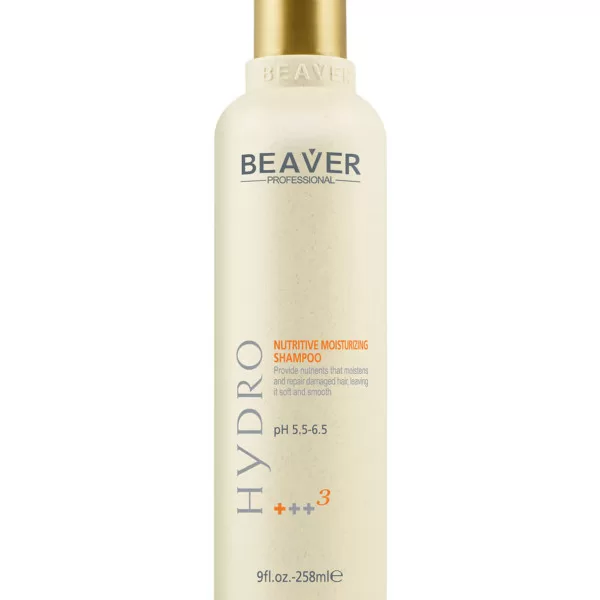
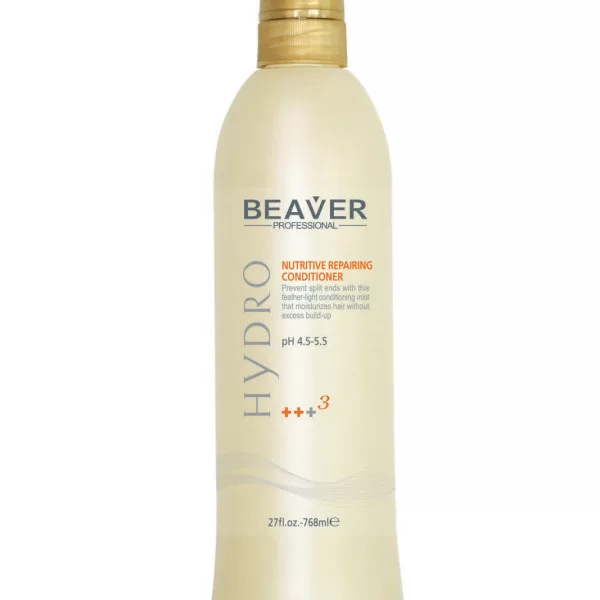
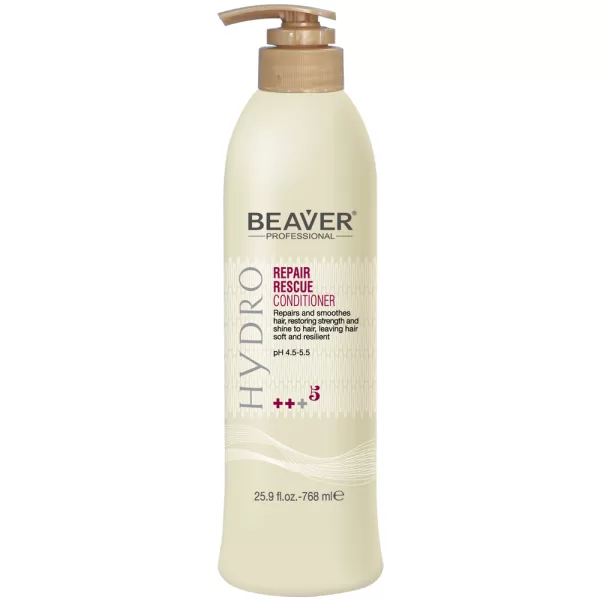
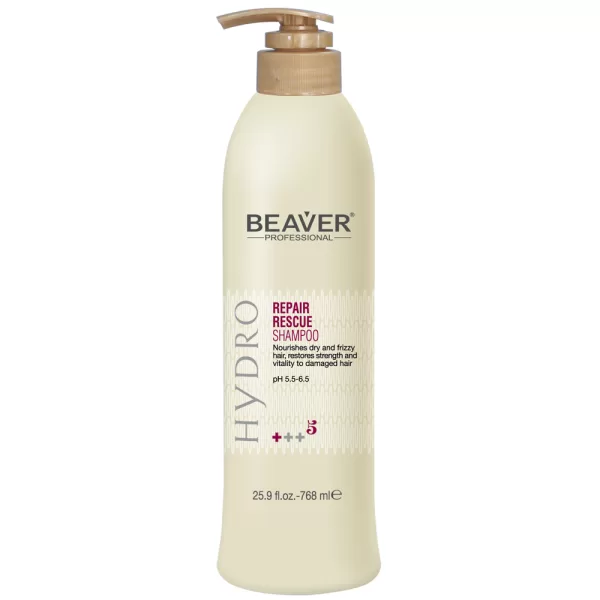
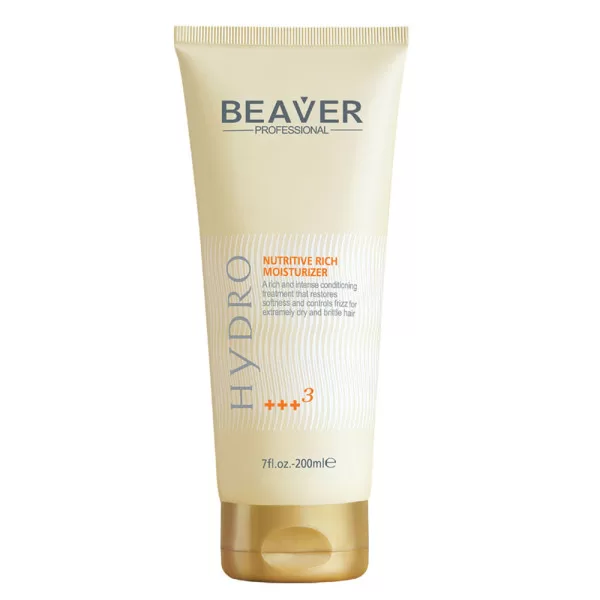
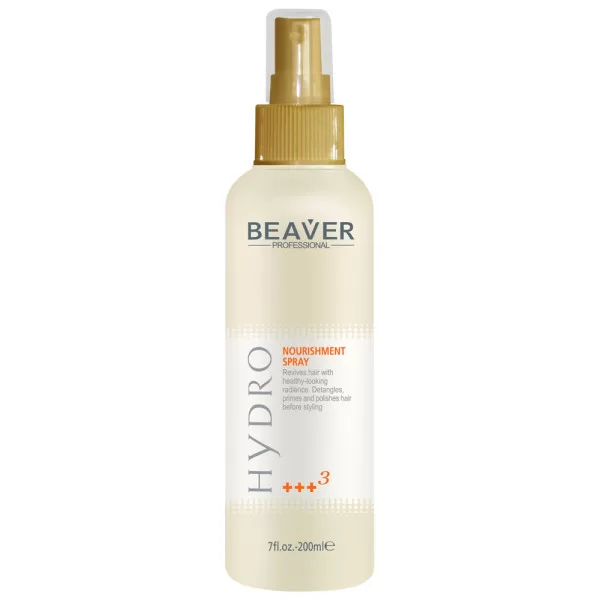
For hydration first, the Hydro range and the Moisturizing series both lead with water rather than sealing, and the Moisturizing leave-in treats the lengths without touching the scalp.
For sealing afterwards, a light oil is the last step — how to use argan oil covers how little you actually need. If the hair is also breaking, structure comes before either: how to fix over-processed hair.
The dry and dehydrated hair page splits the range along exactly this line.